Understanding Your Business Waste: A Complete Classification Guide
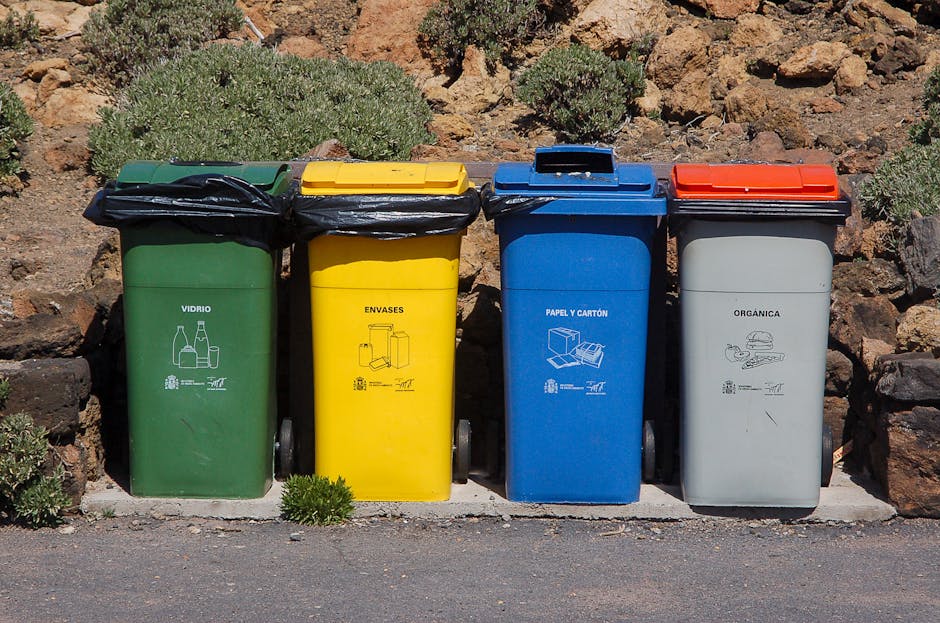
Many UK business owners don't fully understand their waste streams. Proper classification isn't just an environmental nicety—it's a legal requirement that affects disposal costs and regulatory compliance. Let's break down the main waste categories your business likely generates.
General Waste (Non-Hazardous)
This is your everyday business rubbish—food scraps, general packaging, office waste, and materials that aren't recyclable. It typically goes to landfill or energy recovery facilities. Most businesses generate significant quantities of general waste that could be reduced through better waste management practices.
Recyclable Materials
Cardboard, paper, plastics, metals, and glass can all be recovered and reprocessed. UK law requires businesses to separate recyclables where economically practicable. Separating these materials often costs less than general waste disposal and supports the circular economy.
Food Waste
Restaurants, cafes, and catering businesses generate substantial food waste. This can be composted, anaerobically digested, or sent to animal feed processors. Segregating food waste from general waste reduces disposal costs and environmental impact significantly.
Hazardous Waste
Some business activities generate hazardous materials—oils, batteries, electrical equipment, chemicals, and fluorescent tubes. These require specialist handling and disposal. Improper management carries serious legal penalties and environmental consequences. If you're unsure whether something's hazardous, consult your waste provider.
Electronic Waste (E-Waste)
Computers, printers, mobile phones, and other electronics contain valuable materials and hazardous substances. The Waste Electrical and Electronic Equipment Directive (WEEE) requires proper recovery and recycling. Many providers offer specialist e-waste services.
Construction and Demolition Waste
If your business involves building work, you'll generate brick, wood, metal, and mixed construction waste. Specialised contractors can recover and recycle much of this material, reducing landfill costs.
Clinical and Infectious Waste
Healthcare providers, laboratories, and some beauty businesses generate waste requiring specialist incineration. This must be segregated, stored safely, and handled only by licensed contractors.
Segregation Benefits
Properly segregating waste streams offers multiple advantages. You'll likely reduce overall disposal costs, meet environmental regulations more easily, and demonstrate sustainability to customers and stakeholders. Many businesses are surprised how much waste they can divert from landfill through better classification and management.
Getting Professional Advice
If you're uncertain about your waste classification, ask your waste management provider for a free audit. They can identify all your waste streams, recommend segregation improvements, and ensure you're complying with regulations. Understanding your waste is the first step towards more efficient and responsible business operations.